Superheroes are synonymous with iconic costumes—bright colors, dramatic designs, and, of course, capes. From Superman’s flowing red cape to Batman’s sleek black one, capes have become a symbol of heroism, power, and mystery. But when you think about it, capes are not exactly the most practical piece of clothing. They can easily get caught on things, slow you down, or even become a hazard in a fight. So why do superheroes continue to wear them? Is there something about the cape that makes it essential to their design, or is it just a stylistic choice born out of comic book traditions?
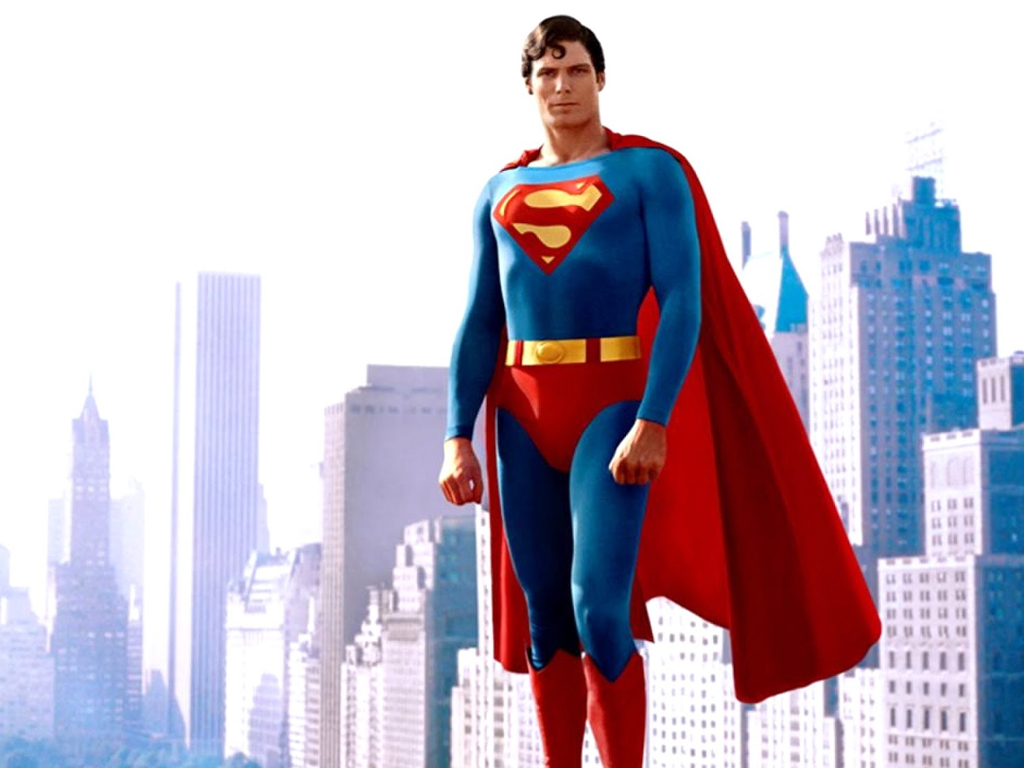
In this blog post, we will take a closer look at the real-world physics behind superhero capes and why they remain a central part of superhero fashion. Along the way, we’ll explore how capes have evolved over time, both in comics and in real-world applications, and consider whether superheroes could realistically benefit from such dramatic wardrobe choices.
The Symbolism of the Cape: A Heroic Tradition
Before diving into the physics, it’s important to understand the cape’s symbolic role in superhero fashion. Capes have long been associated with heroism, power, and mystery. Historically, capes were worn by royalty, warriors, and knights, serving as symbols of status, nobility, and strength. In the 20th century, this tradition carried over into the creation of superheroes.
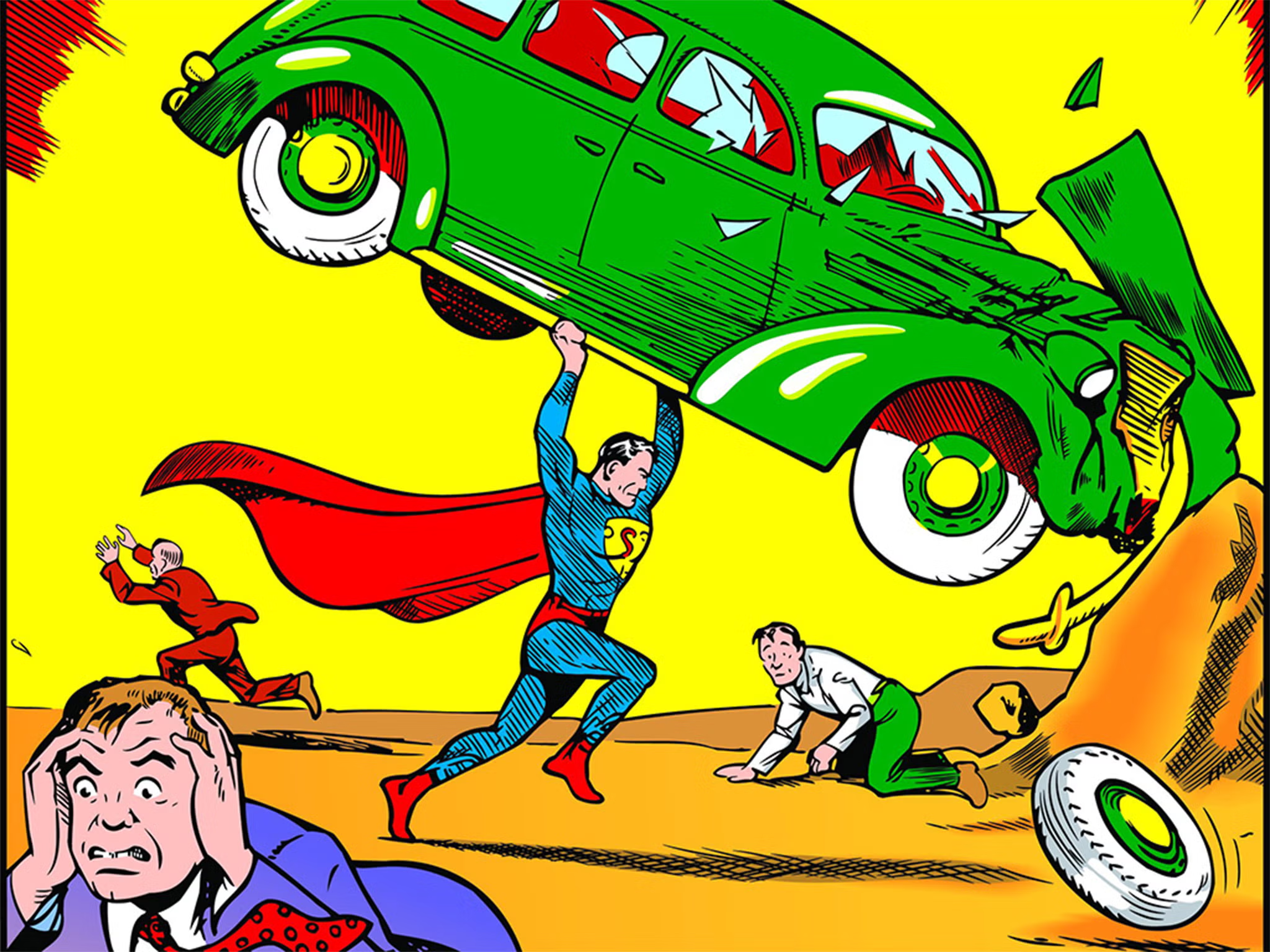
When Superman was introduced in 1938, he wasn’t just a man of steel—he was a larger-than-life figure. His bright blue and red costume, complete with a flowing red cape, was designed to stand out and evoke power. The cape not only gave him an air of elegance, but it also helped accentuate his ability to fly. The sheer movement of the cape during flight made Superman appear even more powerful, as it symbolized his ability to conquer the skies.
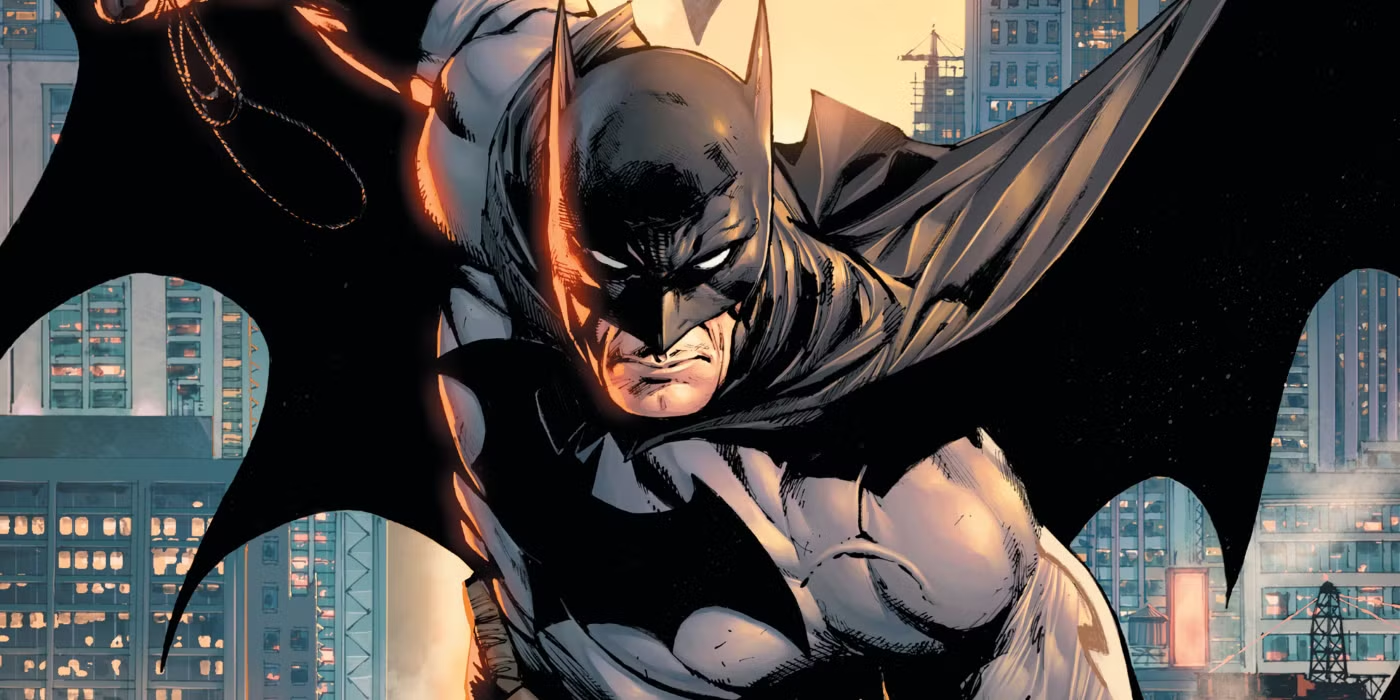
Other superheroes, like Batman and Wonder Woman, followed suit, adopting capes as part of their iconic costumes. While each superhero has their own personal reasons for wearing a cape (in Batman’s case, to strike fear into criminals), the cape remains a universal symbol of grandeur and otherworldliness.
But are capes just a visual tool, or do they serve some practical purpose in the real world?
The Physics of Flight: Does the Cape Actually Help?
One of the most famous features of superheroes like Superman and Thor is their ability to fly. This presents an immediate problem for the real-world physics of superhero capes: How do they defy gravity while wearing a cape? And more importantly, could a cape help with flight?

The short answer is: No, capes would not make flight easier. In fact, they would likely make it harder.
Air Resistance and Drag
In the real world, when any object moves through air, it experiences air resistance (or drag). The cape, being a large surface area of fabric, would create significant drag, especially when flying at high speeds. For example, imagine trying to run at full speed while holding a large blanket behind you. The resistance from the fabric would slow you down and make your movement much less efficient. The same principle applies to superheroes—except on a much grander scale.

For flight, air resistance is something you’d want to minimize. The cape, however, would exacerbate it. In Superman’s case, if he were flying at the speeds depicted in the comics and movies, his cape would likely billow out dramatically, creating enormous amounts of drag, which would slow him down or make him unbalanced. Essentially, the cape would work against his flight rather than help.
Unintended Consequences: Tangling and Hindrance
Aside from drag, another issue with wearing a cape while flying would be the risk of tangling or interference with a superhero’s movement. In comic book depictions, superheroes often wear capes that flow dramatically behind them, as if the cape is always perfectly positioned. In reality, though, capes would likely catch on the wind or become tangled in the superhero’s body, potentially getting caught on buildings, trees, or even other enemies.
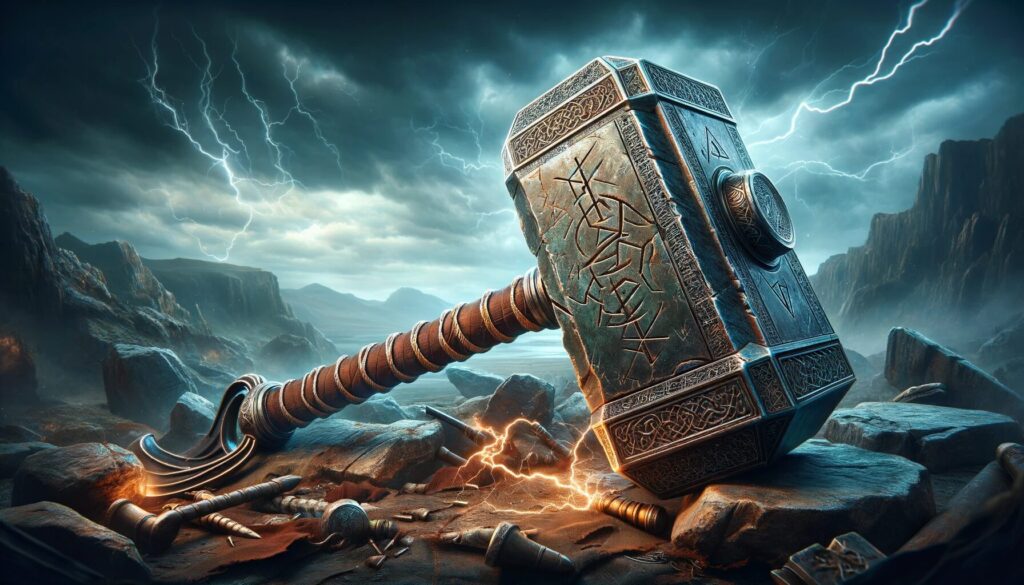
For example, think of Thor, who often wields Mjolnir while flying. If his cape were billowing behind him, it could easily get tangled in his hammer’s strap or become a distraction in the midst of a fight. Batman, too, could easily trip or lose control if his cape became wrapped around his legs while leaping off buildings.

The cape’s movement could actually hinder a superhero’s agility, making it more of a burden than an asset. In other words, the cape might be better suited to dramatic visuals than real-world practicality.
The Aerodynamics of a Cape: Could It Actually Help?
While capes likely don’t aid in flight, they might serve a practical purpose in other areas of superhero activity. For example, could a cape have any aerodynamic benefits in a more controlled environment?
Gliding and Lift
Some superheroes, like Batman and Robin, use their capes for gliding. In these instances, the cape acts like a wing, catching the air and generating lift. This idea of using a cape for controlled gliding makes sense from an aerodynamics perspective.
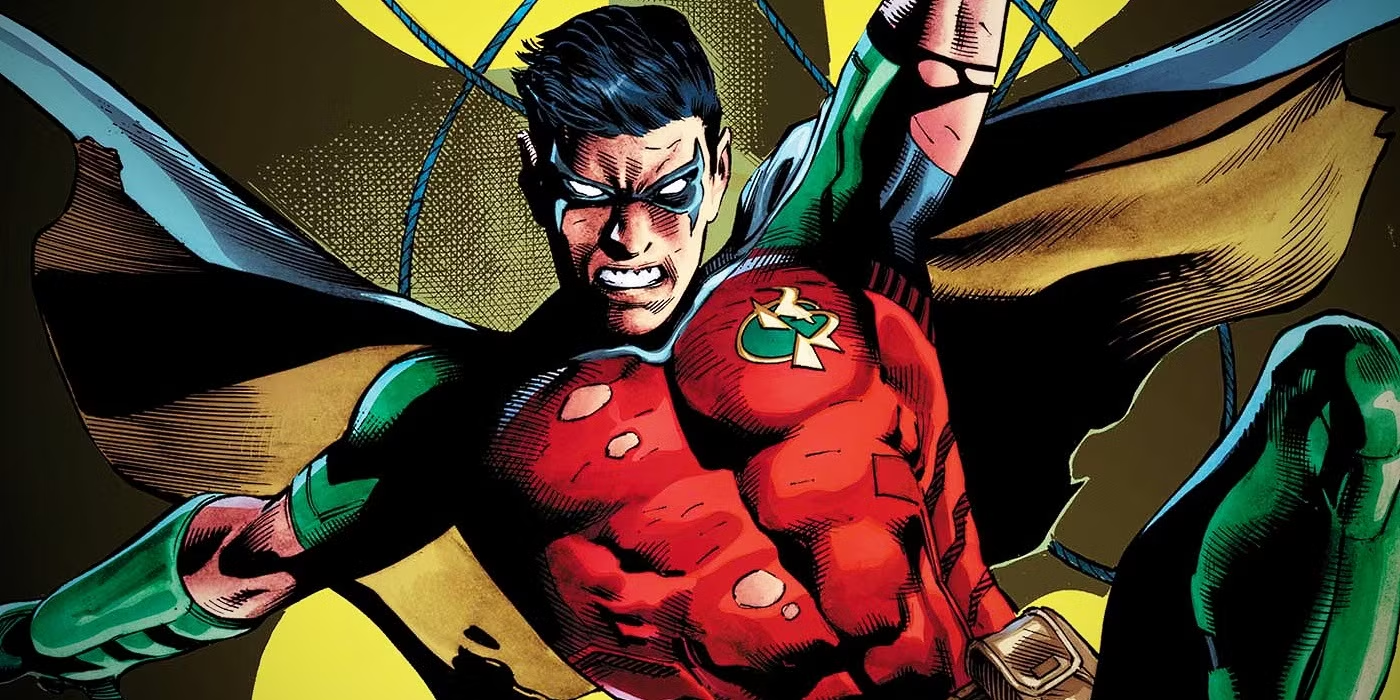
In fact, gliding is something that has been tested in the real world. Batman’s cape in the Batman comics (and films) is a perfect example of a cape being used as a gliding tool. With proper body positioning and wing-like structure, a cape could theoretically help slow descent and provide a limited form of “flight” (more like controlled falling). The key, however, is that the cape must be used in a way that directs air to flow over it properly.
However, for superheroes who can fly at supersonic speeds like Superman, the cape’s role in gliding becomes irrelevant. In that scenario, the cape’s main purpose seems more symbolic than practical.
Real-World Applications: Are Capes Used Today?
Despite the potential drawbacks of capes in superhero settings, capes do exist in real-world fashion and functionality. In fact, capes are used in various fields, including fashion, science, and even military applications.
Fashion and Statement
Capes have made appearances in high fashion as a statement piece. Designers like John Galliano and Jean Paul Gaultier have incorporated capes into their runway shows, often using them to add a dramatic flair or a sense of mystery to their creations. In these cases, capes don’t serve a functional role but rather serve as an aesthetic tool.

Military and Technology
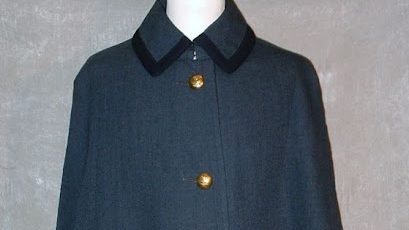
Interestingly, capes have been used in military history. The British Royal Air Force pilots, for example, sometimes wore capes during the early 20th century. These capes were intended to offer warmth and protection in the cold, high-altitude environments. Today, the closest real-world equivalent to the superhero cape might be found in the use of “wing suits” or “parachute capes” that aid in gliding. Though these designs are far more streamlined and practical, they highlight that the idea of using fabric for flight isn’t entirely out of reach—it’s just been refined to work better in real-world conditions.
Conclusion: A Fashion Statement, Not a Flight Strategy
While superheroes have become synonymous with capes, the real-world physics of capes is far from practical. Capes create significant drag and are likely more of a hindrance than a help in the quest for flight. However, their role in superhero fashion is undeniable, as they serve to highlight a superhero’s grandeur, power, and mystique.
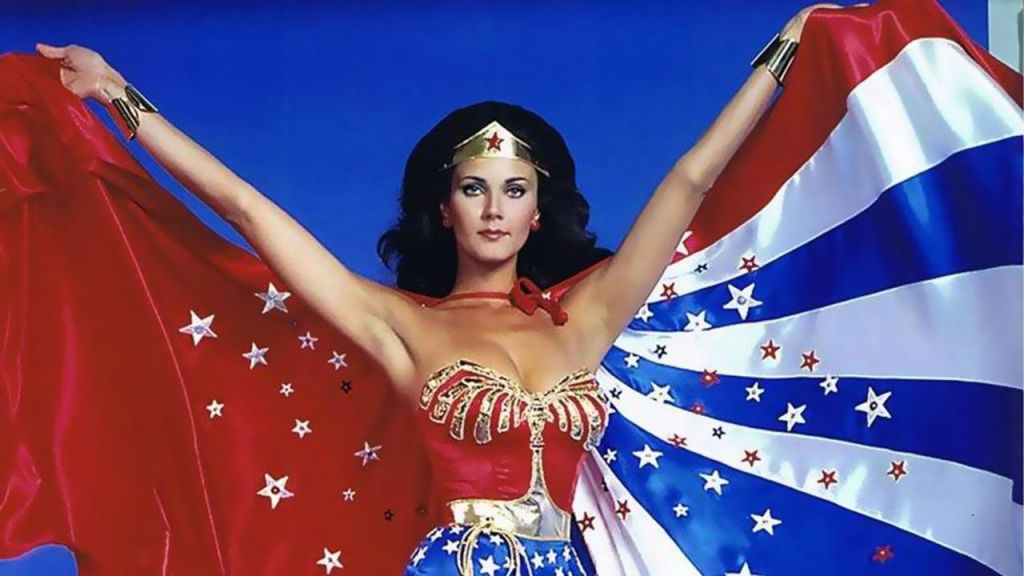
At the end of the day, the cape is not about aerodynamics—it’s about creating an unforgettable image. It’s about making the superhero stand out and reminding us of the larger-than-life persona they embody. So while it’s fun to speculate on whether Superman’s cape would actually help him fly (spoiler: it wouldn’t), the cape remains one of the most enduring symbols of superhero culture, doing exactly what it was designed to do: making superheroes look like heroes.
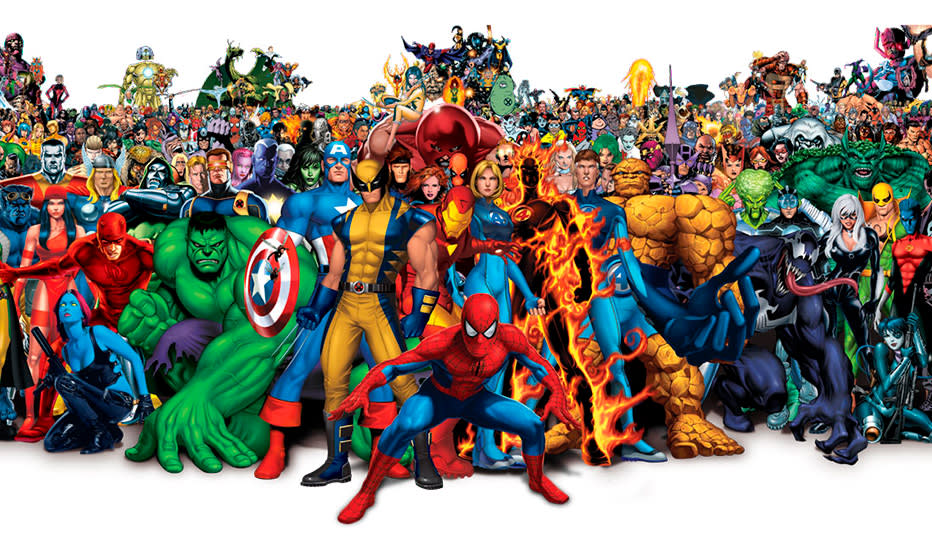
Whether it’s for dramatic effect, to symbolize power, or to maintain an iconic connection to tradition, the cape is here to stay—at least in the world of comic books, movies, and the imaginations of fans everywhere.


Leave a comment